
Are Aluminum Pill Cases Safe for Daily Use?
A $60 supplement routine deserves better than a cloudy drugstore organizer that smells faintly of plastic. So, are aluminum pill cases safe for the capsules, tablets, and softgels you carry each day? Usually, yes - when the case is thoughtfully made, properly finished, and used for the right type of storage.
The material alone is not the whole story. The meaningful questions are whether the aluminum has a protective finish, what the interior components are made from, whether the case stays clean and dry, and how long your pills will sit outside their original packaging. A premium aluminum pill case can be a beautiful, practical upgrade. A poorly made metal container, on the other hand, can create avoidable uncertainty around coatings, moisture, residue, and pill-to-metal contact.
Are Aluminum Pill Cases Safe? The Short Answer
High-quality anodized aluminum pill cases are generally a safe choice for carrying dry pills and capsules during the day, over a weekend, or throughout a trip. Anodizing is an electrochemical finishing process that strengthens aluminum's naturally occurring oxide layer. The result is a more durable, more corrosion-resistant surface than bare aluminum.
That distinction matters. Raw, unfinished aluminum is reactive enough that it is not the ideal direct-contact surface for every product, particularly where moisture, acidic ingredients, or oils are involved. Anodized aluminum is designed to be far more stable in everyday use, which is why it appears in many consumer products that demand durability and a refined finish.
Still, a pill case is not a replacement for every original prescription bottle or pharmacy blister pack. Manufacturers package medications to protect them from specific threats: humidity, oxygen, light, temperature swings, and mix-ups. For most daily supplements and standard solid medications, portable organization makes perfect sense. For highly moisture-sensitive, light-sensitive, or tightly regulated medications, the original container may remain the better long-term home.
What Makes an Aluminum Pill Case a Smart Choice
The best aluminum pill cases solve more than an aesthetic problem. They eliminate the disposable feel of cheap plastic while making a wellness routine easier to see, carry, and repeat.
Aluminum is naturally lightweight for its strength. It can handle life at the bottom of a work tote, in a gym bag, or inside a carry-on without cracking the way thin plastic hinges and snap lids often do. That physical durability matters when your organizer holds expensive probiotics, specialty nutrients, magnesium, or a carefully built daily stack.
A well-designed case also keeps the experience discreet. You should be able to take your supplements at your desk, at dinner, or between flights without pulling out a rattling, fluorescent plastic box that looks borrowed from a medicine cabinet. Sleek materials make routine consistency feel intentional rather than clinical.
There is also the question of plastic contact. Many people prefer to limit unnecessary contact between their supplements and unknown or low-quality plastics, especially when a container is exposed to heat in a car or bag. Aluminum offers a compelling alternative, but only if the product uses quality interior materials, secure closures, and a finish meant for regular handling.
The Finish Matters More Than the Marketing
Not every metal pill case is made to the same standard. If you are shopping for an aluminum organizer, look beyond the word "aluminum" on the product page.
Choose anodized aluminum over bare metal
Anodized aluminum is the stronger choice for a daily pill case because its finished surface is more resilient. It helps resist corrosion, scuffs, and wear from repeated opening, closing, and travel. A quality anodized finish should look even, feel smooth, and stand up to normal use without flaking.
Be cautious with painted metal cases if the maker does not clearly explain the coating. Exterior color is not automatically a problem, but chipped or poorly applied paint can make a case look worn quickly. More importantly, it says little about the materials your pills may actually touch inside.
Ask what the compartments are made from
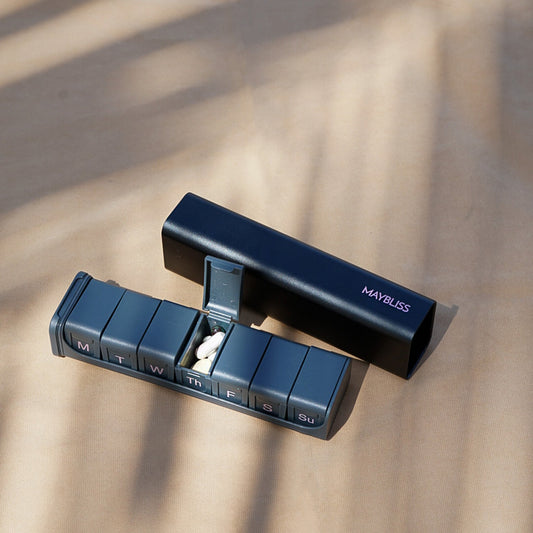
Many premium designs combine an aluminum outer shell with removable internal pods, trays, or seals. This can be excellent engineering. It allows the outer case to deliver structure and style while the interior is optimized for clean storage, easy washing, and secure pill separation.
What you want is transparency: clearly identified, toxin-conscious materials and testing that goes beyond vague claims. If a brand cannot tell you what its pill-contact surfaces are made from, it has not earned a place in a carefully considered wellness routine.
Look for a design that keeps pills contained
Safety is also practical. If compartments pop open in your bag, tablets mix together, labels rub off, or a softgel ends up loose among receipts and lip balm, the case has failed its real job. Secure closures, individual pod separation, and a stable interior layout are not luxuries. They protect your routine from spills, confusion, and wasted supplements.
When Aluminum Storage Is Not the Best Option
Even a gorgeous, well-made case has limits. The goal is not to move every medication into a portable organizer forever. The goal is to use the right storage solution for the moment.
Avoid storing loose pills in any travel case for extended periods if the label specifically says to keep the product in its original container. This is particularly relevant for medications that come with a desiccant packet, require child-resistant packaging, have precise dispensing instructions, or are sensitive to humidity and light.
Softgels deserve extra attention. Fish oil, vitamin D, and other oil-based softgels are usually fine to carry in a clean, cool pill case for short periods, but heat is their real enemy. Leaving any organizer in a hot car can cause softgels to soften, stick, leak, or degrade. Aluminum will not make a heat-exposed supplement safe simply because it is a premium material.
Powders, gummies, and anything damp or sticky are also poor candidates for a standard pill organizer. Moisture can transfer between compartments, create residue, and make cleanup harder. Keep those in their original packaging unless your storage system is specifically designed for them.
Finally, do not put unidentified pills into an unlabeled case. For prescriptions, especially, retain the pharmacy label or use a system that makes each dose unmistakable. Beautiful organization should never come at the expense of medication clarity.
How to Use an Aluminum Pill Case Safely
A few habits make a significant difference. First, load only the amount you expect to use within a reasonable window - often a day, several days, or a trip. This reduces exposure to air and humidity while keeping your routine simple.
Second, keep the case dry. Load it with clean, dry hands, and do not place it beside a damp shaker bottle, a wet swimsuit, or loose toiletries. If you wash removable components, let them dry completely before refilling them. A pristine-looking case with trapped moisture is not protective storage.
Third, store it away from direct sun and heat. Aluminum can warm up quickly in a sunny car or near a window. A bag, drawer, or shaded carry-on pocket is a far better place for your daily dose.
Fourth, inspect the case occasionally. Check for chipped finishes, warped seals, residue, or compartments that no longer close confidently. Premium organization should feel precise every time you use it. If a component is damaged, replace it rather than hoping it will hold up through another packed travel day.
A Better Standard for Everyday Supplement Storage
The right pill case should protect more than pills. It should protect the time, money, and intention behind your wellness routine. That means choosing materials that feel considered, a design that prevents accidental spills, and a system that makes your daily stack easy to take wherever life goes.
Maybliss approaches this with anodized aluminum construction, thoughtfully separated pods, and toxin-conscious materials designed for real routines rather than a drawer full of mismatched plastic. The advantage is not just that it looks elevated. It creates a reliable home for the supplements you actually use, whether you are heading to the office, checking into a hotel, or resetting your week on Sunday night.
A high-quality aluminum pill case is safe when it is properly finished, kept clean and dry, and used for short-term organization of compatible pills. Choose one that feels as deliberate as the routine it carries, then give your wellness essentials the level of protection they deserve.